Repeating patterns
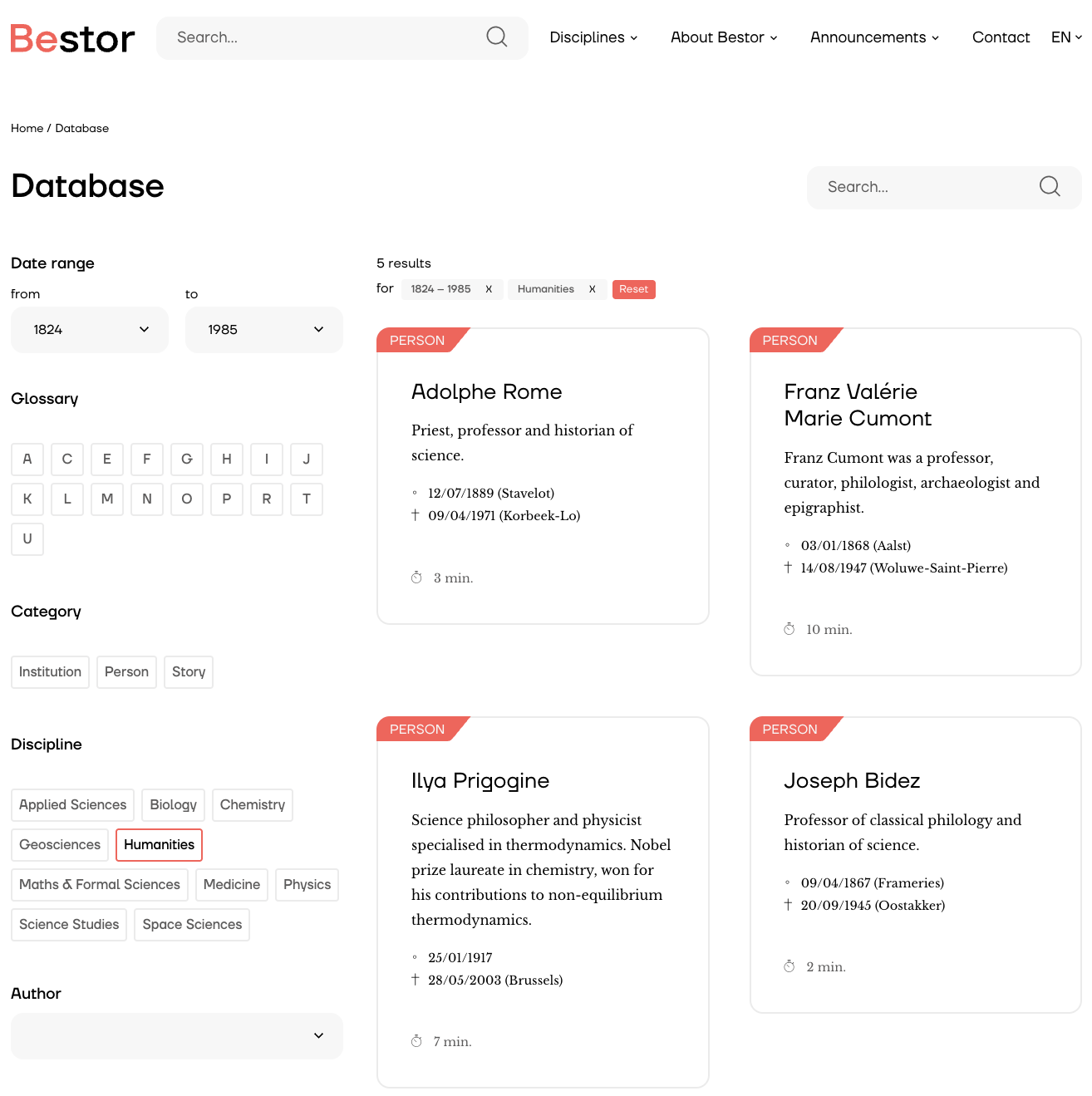
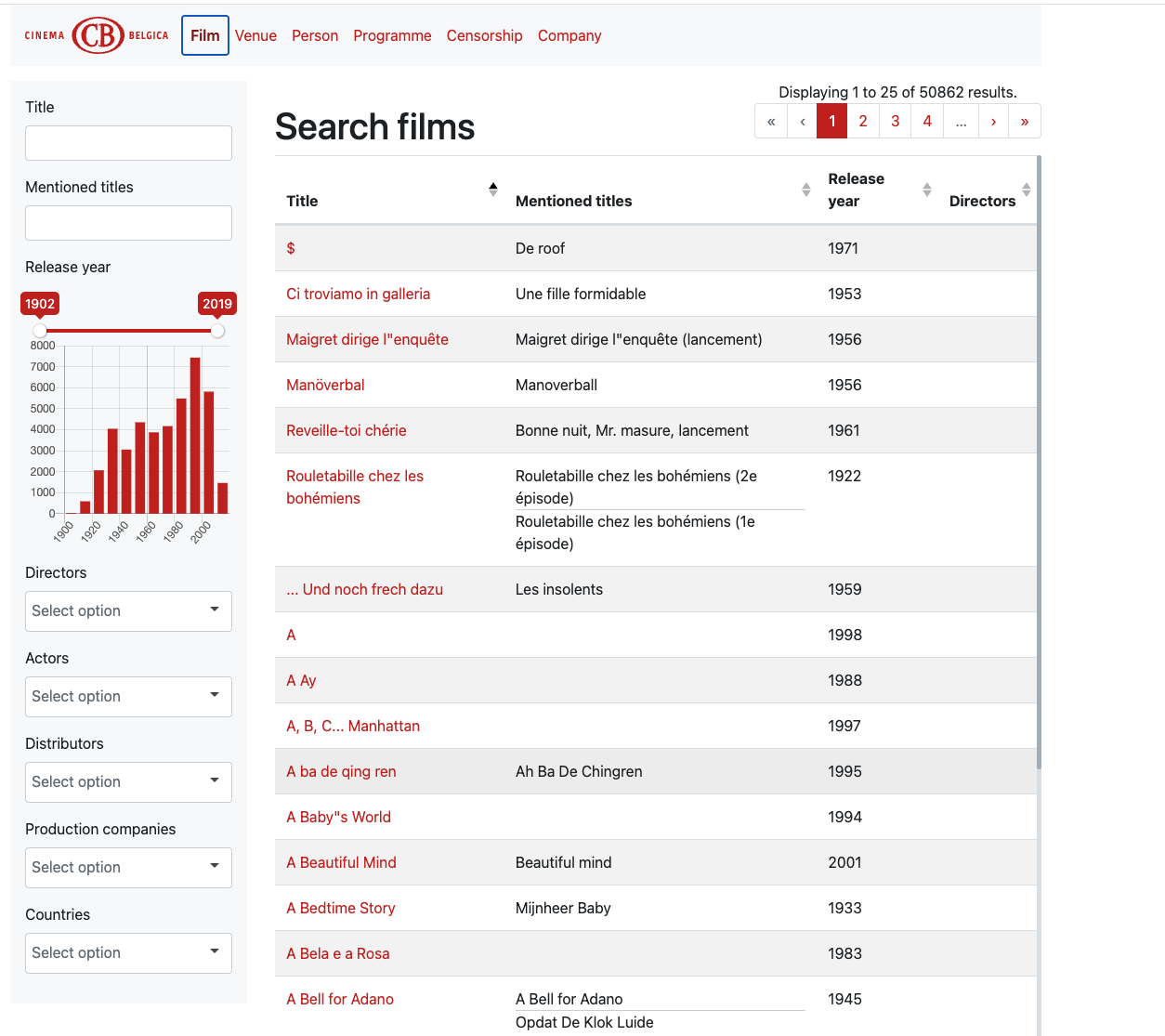
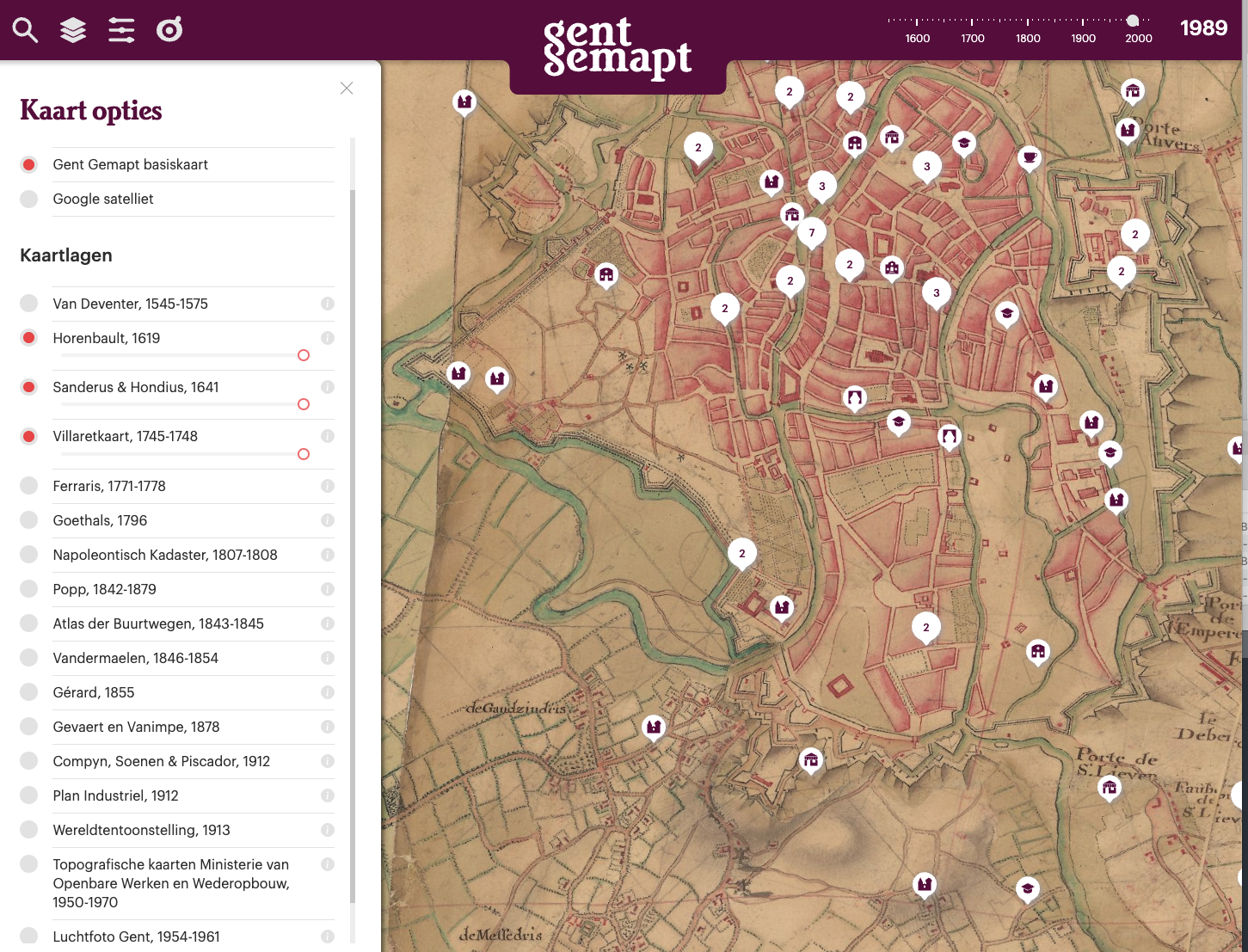
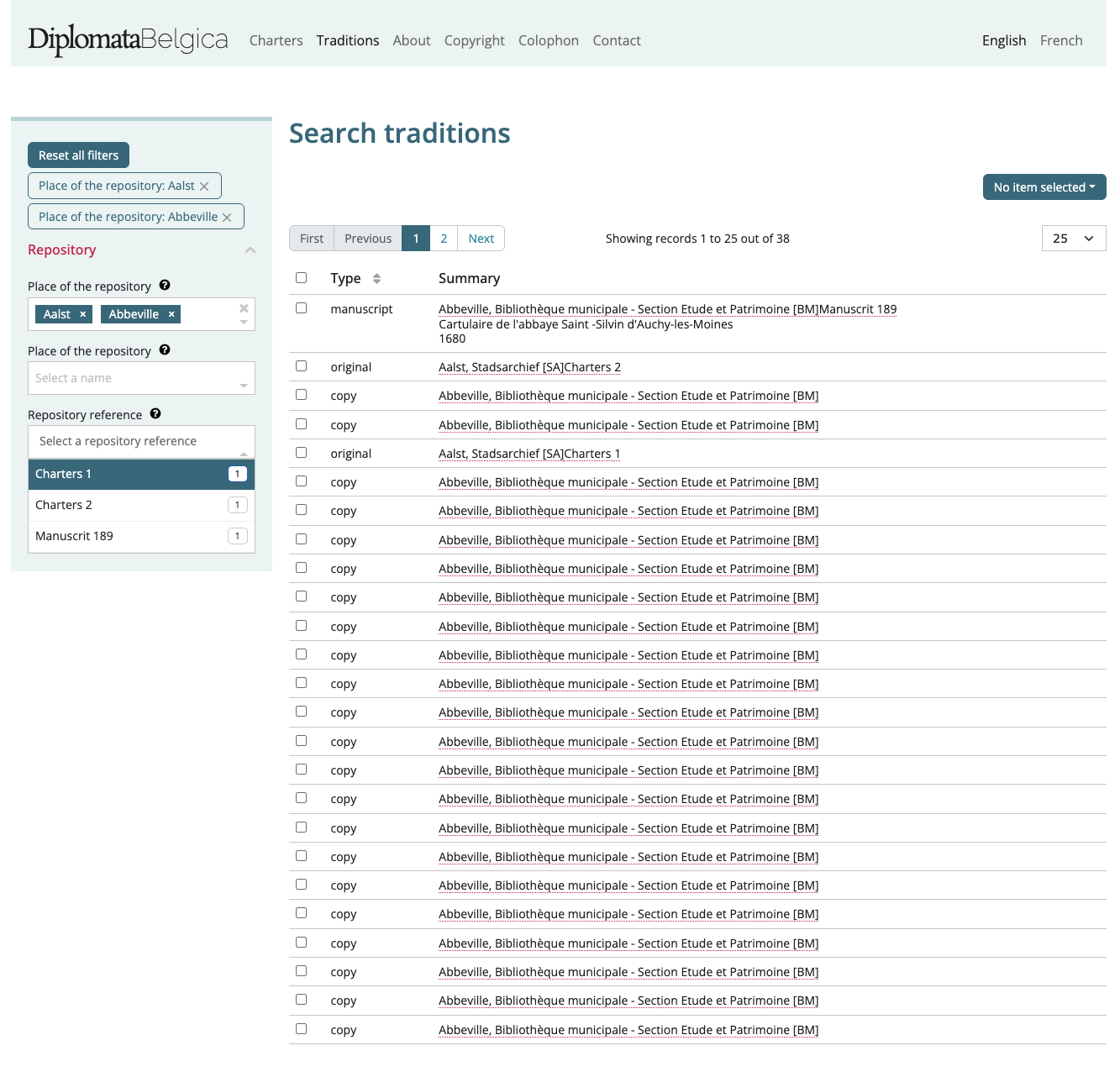
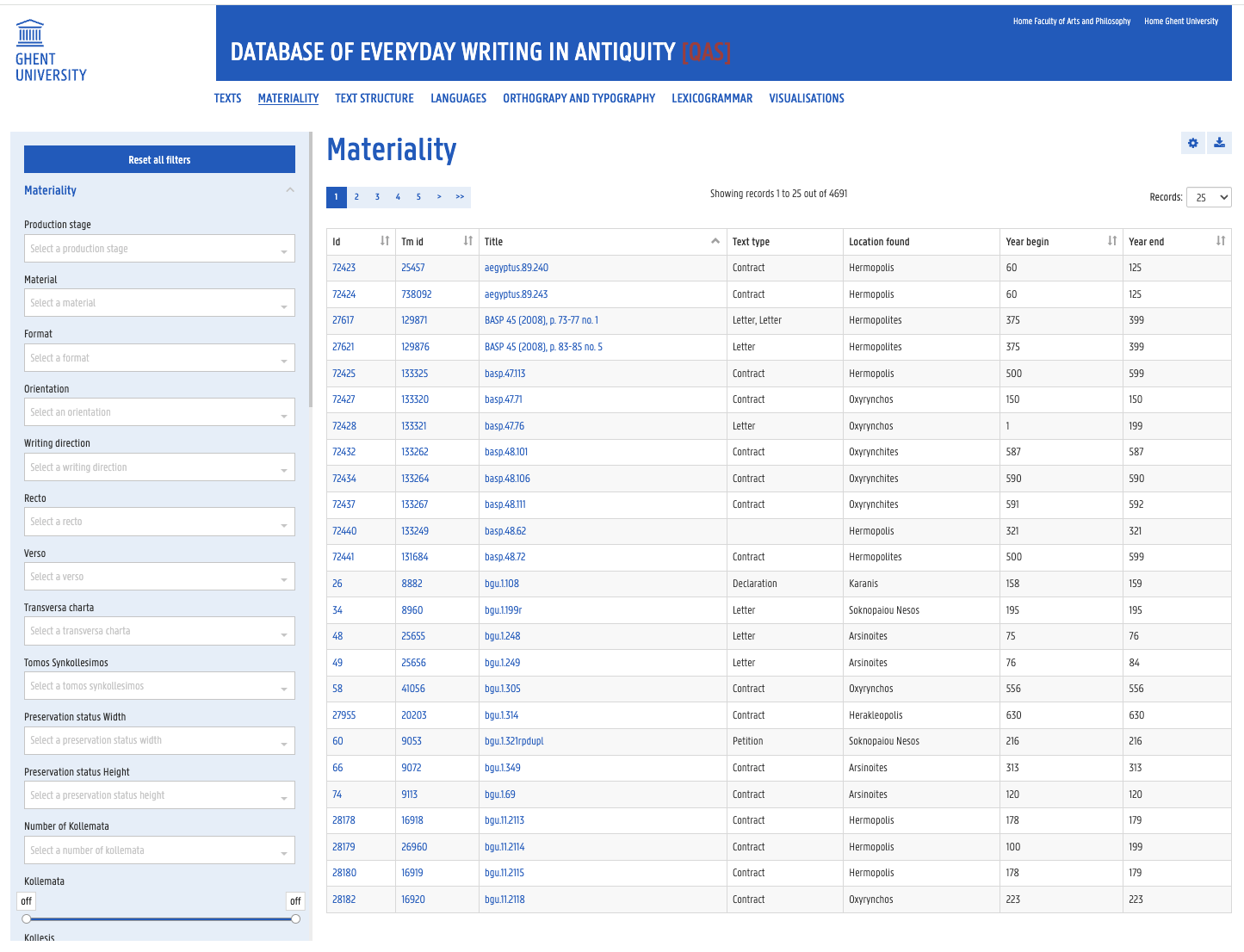
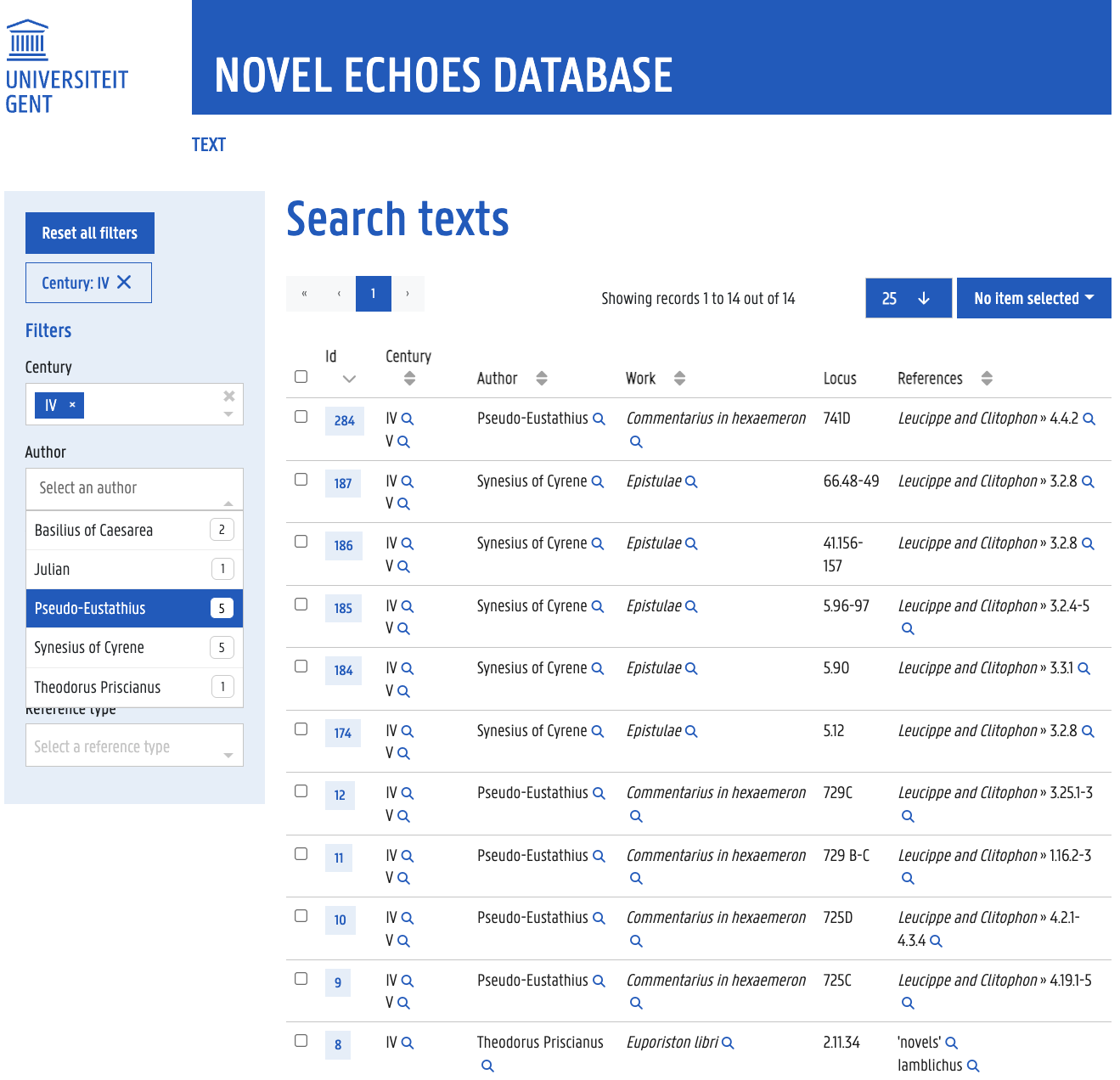
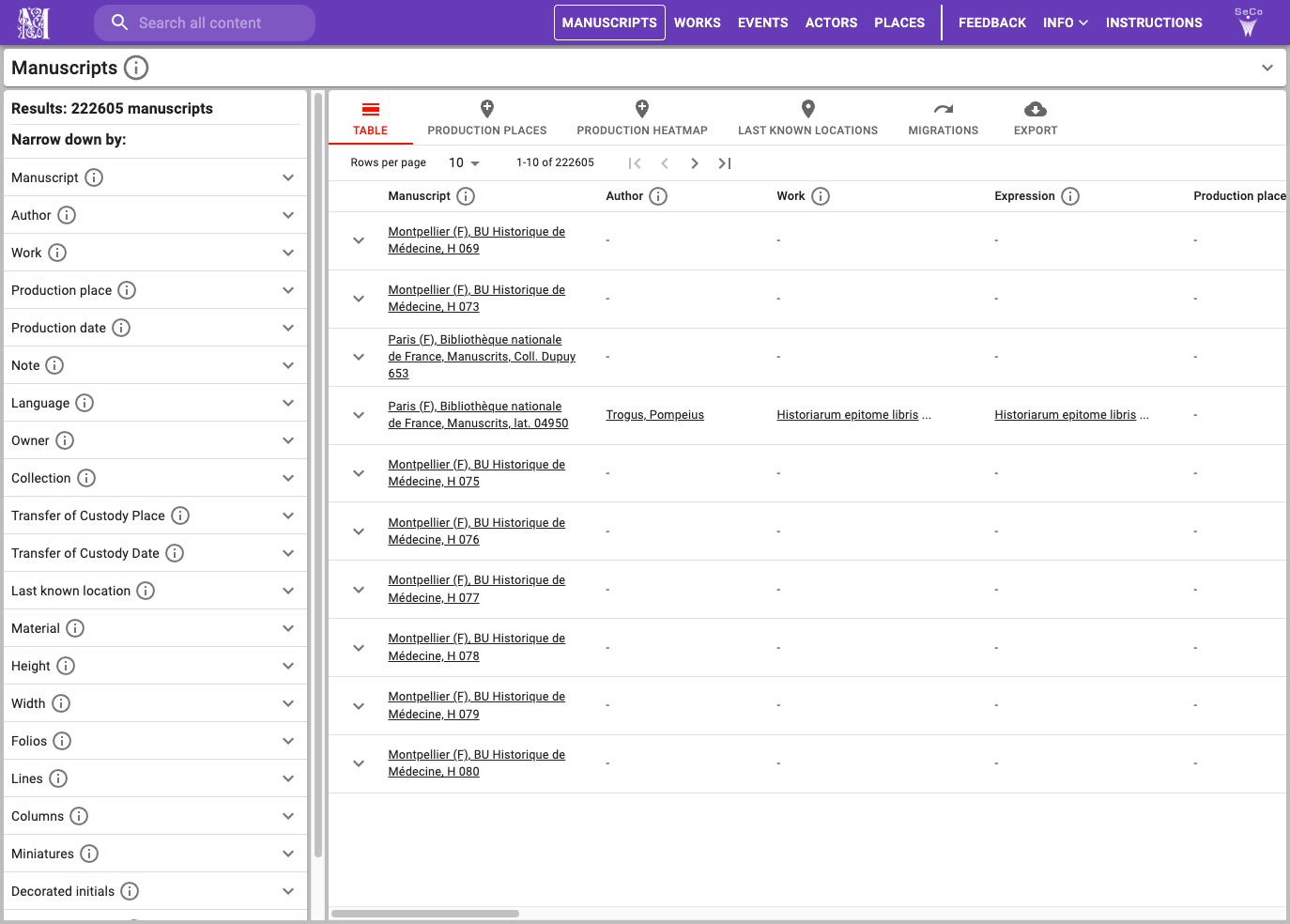
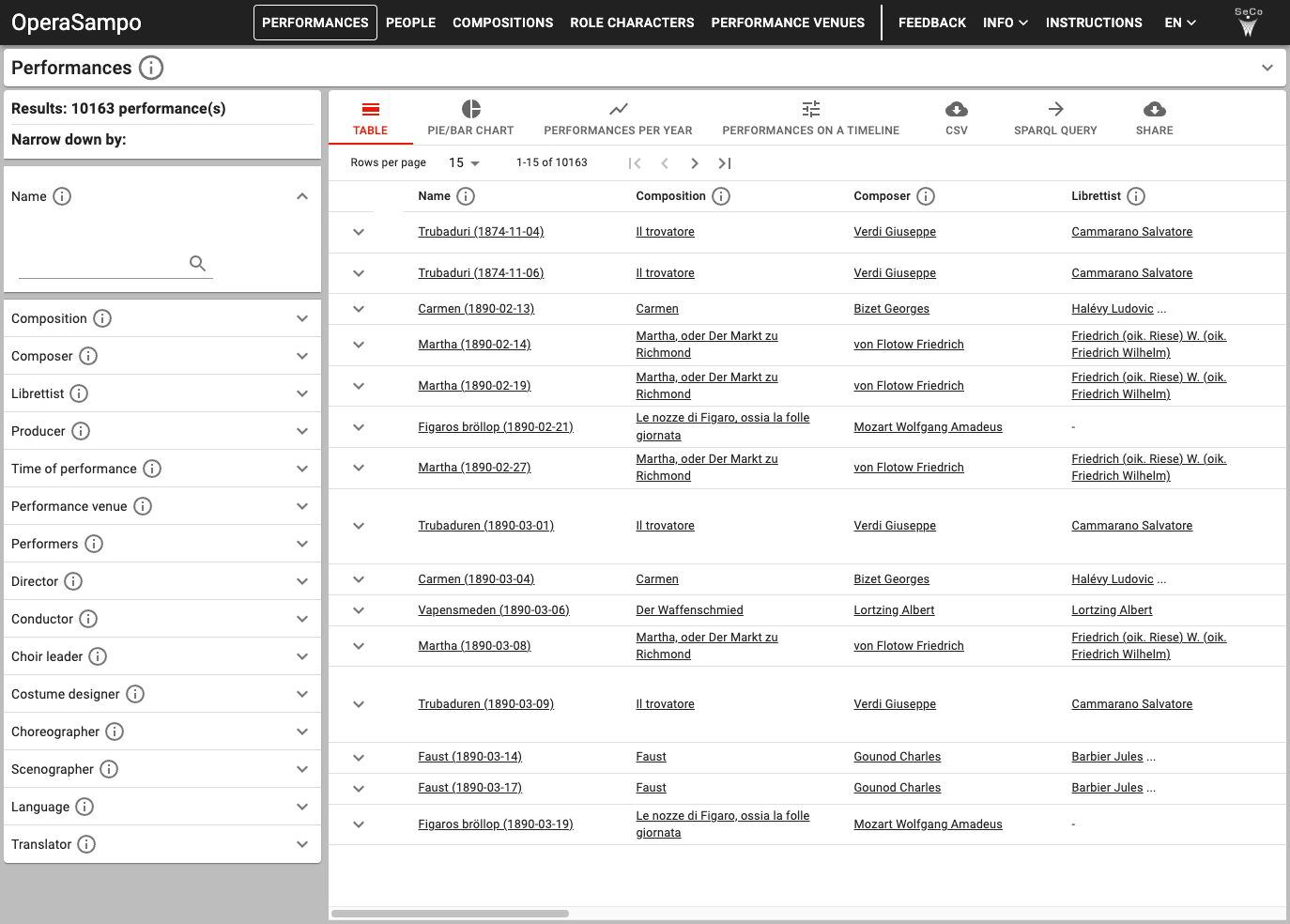
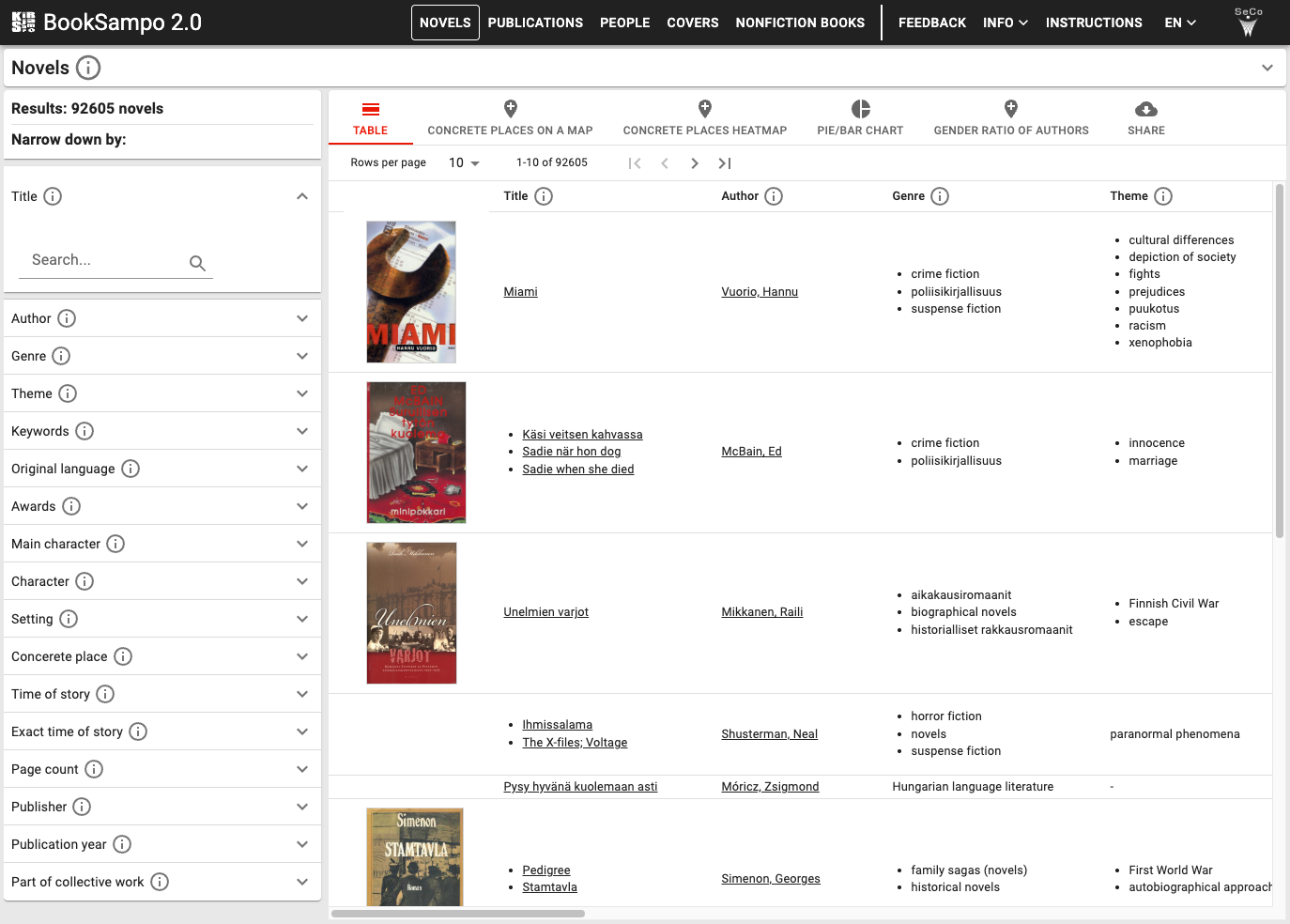
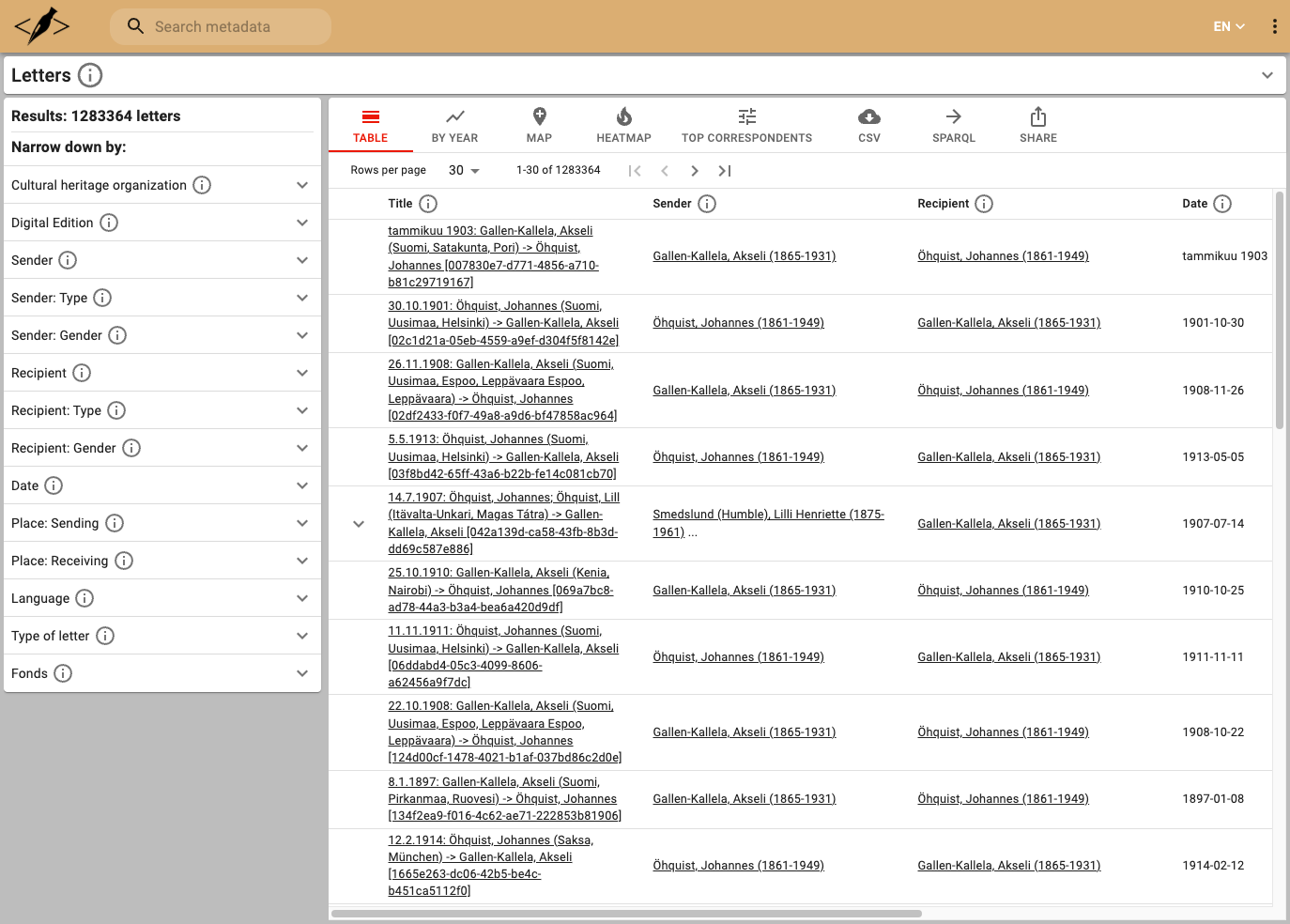
Different research questions. Repeated work in how data is presented, stored and queried.
- Custom faceted interfaces and search logic
- Custom data visualisations
- Custom data query interfaces
- Custom data export functionality
Data islands, without a common strategy.
Why Sampo-UI?
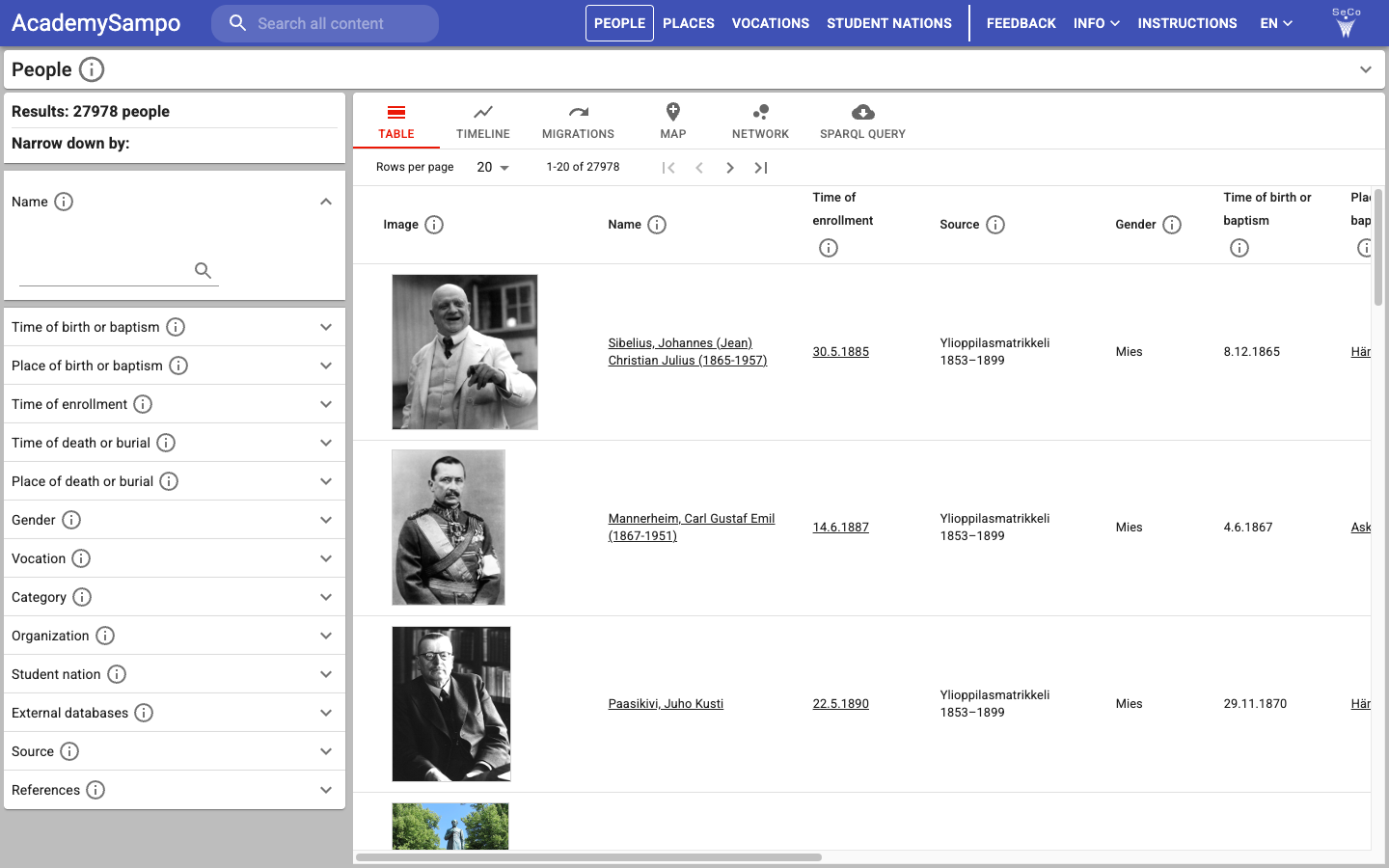
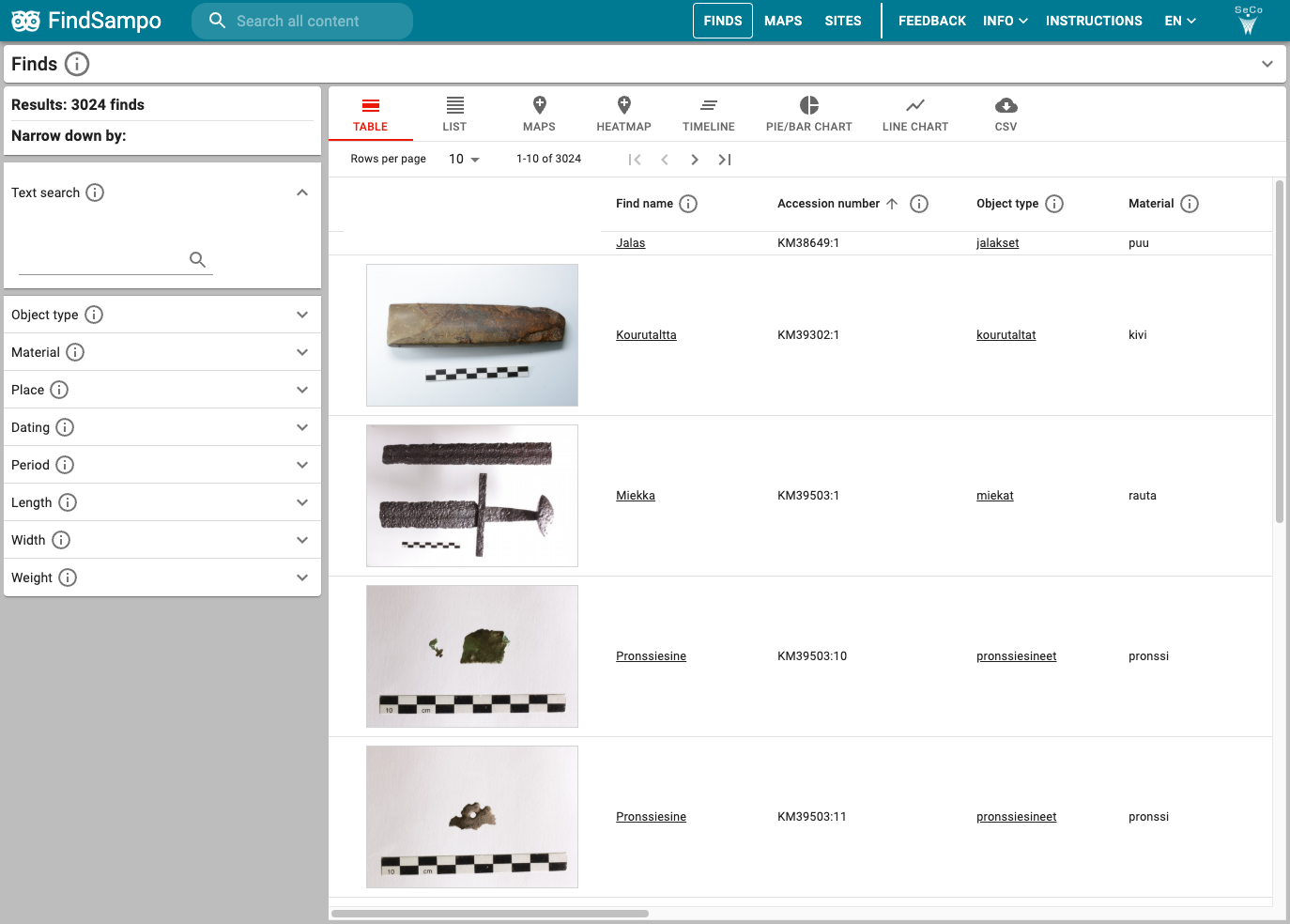
A shared foundation for recurring needs.
- Configurable faceted interfaces
- Configurable data visualisations with plugins
- A standards-based query interface: SPARQL
- Shared data export functionality
Reuse the framework. Configure the project.
How Sampo-UI works
The Sampo model separates the data service from the user interface.
 Semantic Computing Research Group · Aalto University / University of Helsinki
Reference: Digital humanities on the Semantic Web: Sampo model and portal series
Sampo-UI and GhentCDH
From a local fork to contributions in the shared framework. Both CLARIAH funded.
NuMAD: public SPARQL endpoint
The data behind the portal
is directly queryable.
- Ontop exposes the relational data through SPARQL.
- The portal and external analyses use the same endpoint.
- The mapping determines which data is published.
Open the endpoint interface
Shared vocabulary: Nomisma
Use an established ontology
to describe coin data.
- Shared concepts for numismatic research
- Consistent meaning across collections
- A foundation for linking and reusing data
Explore the Nomisma ontology
NuMAD live demo
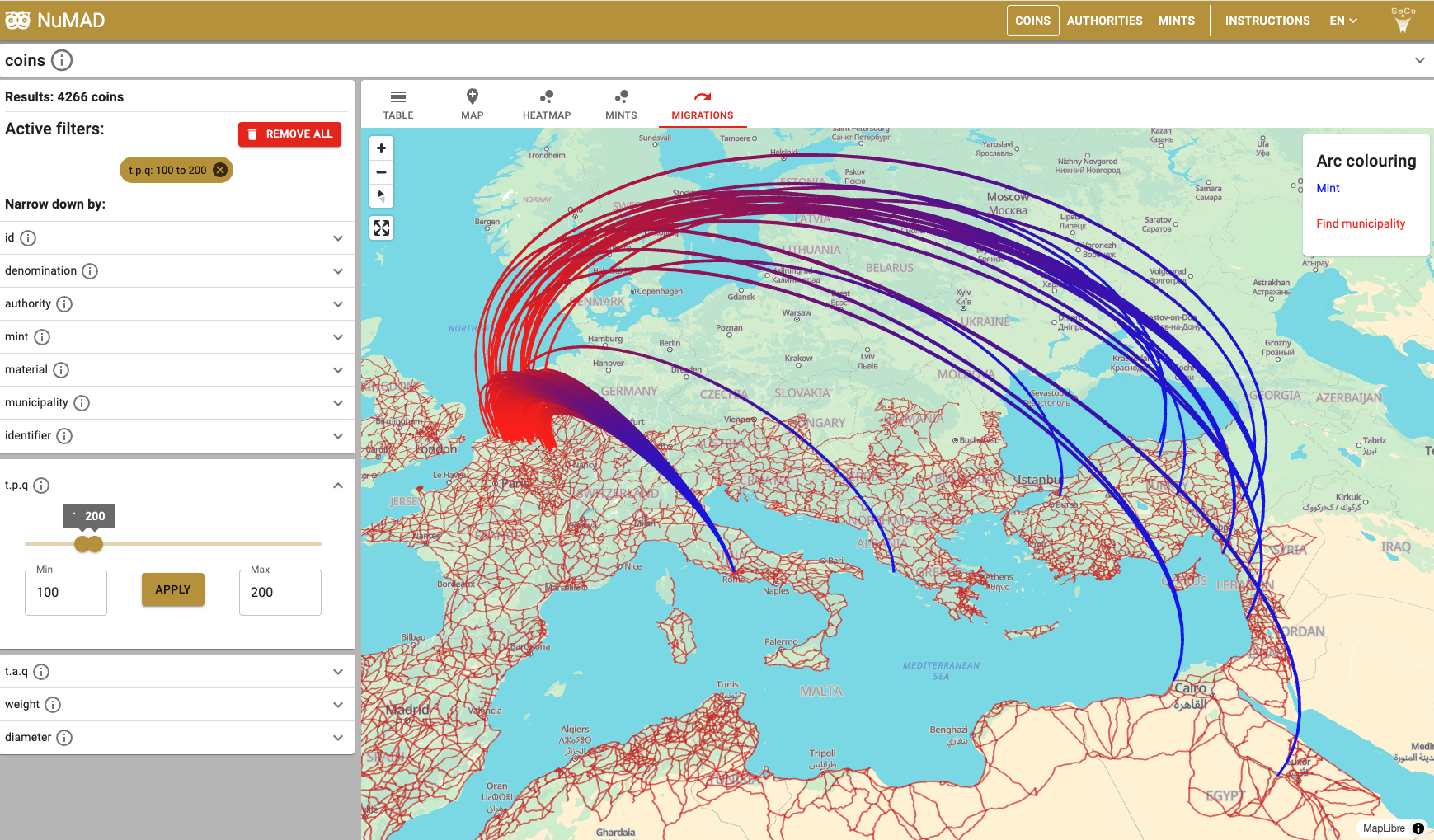
Open NuMAD · Filter coins, switch views, explore the results.

Data editing needs its own environment
Sampo-UI provides the public search and analysis interface. Data entry and editing happen in a separate application.
- Create and correct records in a dedicated data management environment.
- Manage validation, permissions and editorial workflows there.
- Publish the data through a SPARQL endpoint for Sampo-UI to explore.
Plan for both: a data editing environment and a Sampo-UI portal.

Federated queries: multiple endpoints
- Querying multiple distributed endpoints introduces external dependencies.
- All is well until it is not.
Link to external data, but cache locally for reliability and speed. Avoid dependencies.
NuMAD architecture
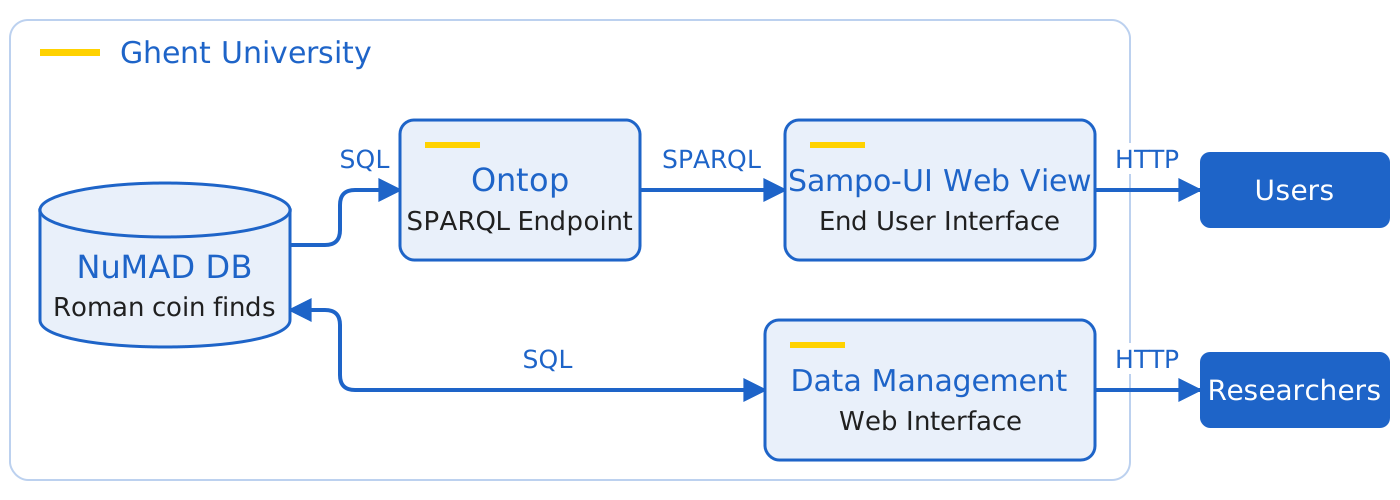
An existing relational database, exposed through Ontop and explored with Sampo-UI.
Conclusion
Sampo-UI provides a strong data-visualization toolbox.
and nudges projects to publish linked data.